Winning in today’s competitive gaming landscape takes more than fast reflexes and high-tier gear. Players are searching for smarter strategies, optimized builds, and a deeper understanding of raid mechanics that separate consistent performers from highlight-reel moments. This article delivers exactly that—breaking down emerging gaming news, lifted gameplay fundamentals, hunt strategy insights, inner core raid mechanics, and pro gear optimization tips that directly impact your performance.
If you’re looking to sharpen your edge, you’ll find clear explanations of advanced mechanics, practical adjustments you can apply immediately, and tactical frameworks that improve clutch decision making in esports. Every insight is grounded in close analysis of evolving metas, high-level competitive play, and real in-game performance patterns—not surface-level theory.
By the end, you’ll understand not just what works, but why it works—and how to adapt those strategies to dominate hunts, execute cleaner raids, and elevate your gameplay with confidence.
Beyond Reflex: The Cognitive Architecture of a Pro Gamer
Studies from the University of Utah show elite esports athletes outperform amateurs in working memory and task-switching accuracy by up to 30% (2019).
That edge fuels clutch decision making in esports, not twitch reactions.
Pros run tight OODA loops—Observe, Orient, Decide, Act—a military decision model proven to cut response latency under stress.
Intuition matters, critics argue, but data from League of Legends World Championships VOD analyses shows structured shot-calling correlates with higher objective control.
Build your loop, review mistakes, and track outcomes.
For deeper breakdowns, see our advanced decision framework.
The Three Pillars of In-Game Cognition
Have you ever wondered why pros make chaotic matches look controlled? It starts with Information Processing—the ability to filter signal from noise. In fast-paced games, critical data includes enemy cooldowns, map position, and resource timers. Meanwhile, spam pings and heated chat? Mostly distraction (and sometimes ego fuel). The best players triage information instantly, asking: Does this help me win the next 10 seconds? If not, it’s background static.
Next comes Pattern Recognition. Over time, players build a mental library of scenarios—like a chess grandmaster who’s seen this board before. Instead of solving every fight from scratch, they recognize setups: split push pressure, baited ultimates, late-rotation flanks. Sound familiar? That “predictive” play you admire isn’t magic; it’s memory under pressure. Experience turns chaos into déjà vu.
Finally, Risk/Reward Calculation—the quiet math behind clutch decision making in esports. Is trading a flash for a kill worth it? Should you give up an objective to secure map control later? A simple framework: 1) What do we gain now? 2) What do we lose later? 3) How likely is success? Even subconsciously, pros weigh probability against payoff (yes, like a poker table). So next time you hesitate, ask yourself: what’s the real trade?
The OODA Loop: Your Core Decision-Making Framework
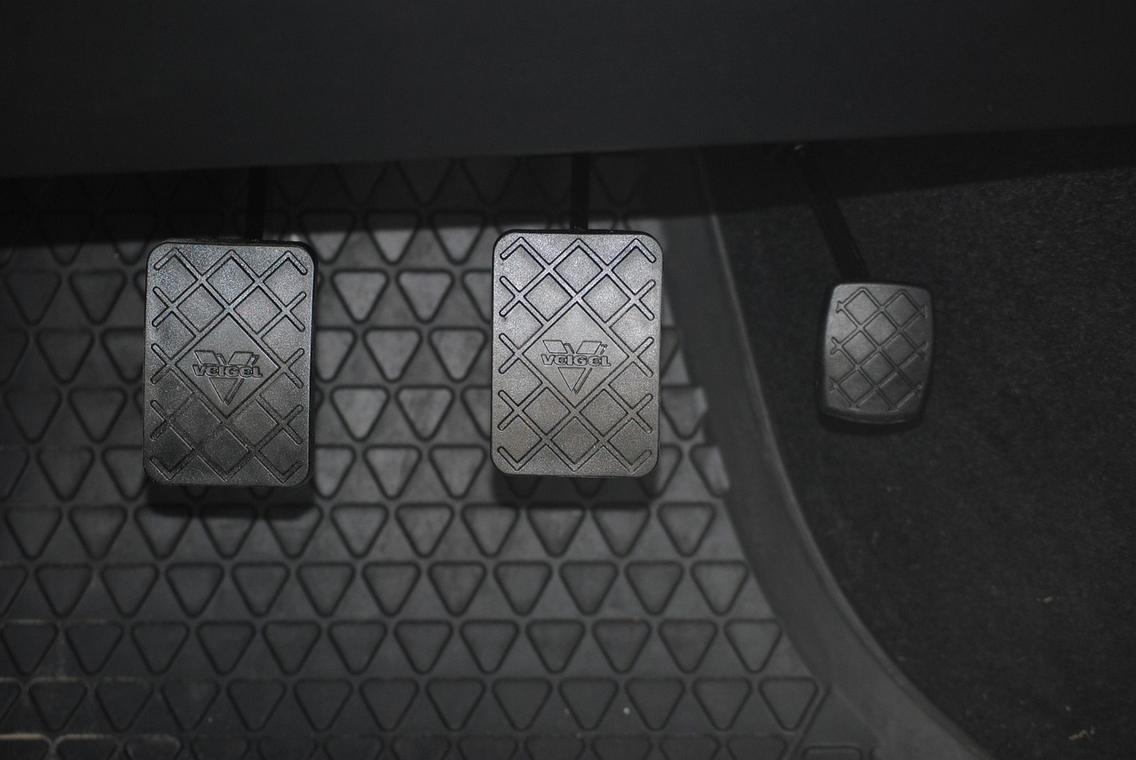
The OODA Loop—Observe, Orient, Decide, Act—is a decision-making model created by military strategist John Boyd (U.S. Air Force) to outpace opponents in fast, chaotic environments. In gaming, it’s the difference between panicking and looking like you’re in a highlight reel.
-
Observe
First, build a scan circuit. Flick eyes from HUD to minimap to ability cooldowns to enemy positioning—then repeat. The goal is speed with structure. Think of it like Doctor Strange scanning 14 million futures, except you’ve got about three seconds. Pro tip: check the minimap every time you reload or reset position—it anchors the habit. -
Orient
Next, interpret what you saw. Orientation means filtering raw data through context: win conditions (the specific objectives that secure victory), power spikes, and known enemy tendencies. A fed sniper holding high ground means something very different if their support just burned ultimate. This is the core of clutch decision making in esports. Without context, information is just noise. -
Decide
Then, form a hypothesis. For example: “If I engage now, their support has no ultimate, so we win.” You’re not chasing certainty—you’re choosing the highest-percentage play based on current variables. -
Act
Finally, commit. A solid plan executed halfway usually fails (hesitation is the real final boss). Decisive action forces opponents to restart their loop. When you move faster through OODA than they do, you get inside their decision cycle—and suddenly, they’re reacting while you’re dictating the fight.
Applying the Framework: Micro vs. Macro Decisions
Micro Decisions (The 1v1 Duel)
Micro decisions are the split-second calls you make under pressure—the mechanical and mental chess match inside a single moment. Using the OODA loop (Observe, Orient, Decide, Act), you process information faster than your opponent and capitalize.
Picture a VALORANT post-plant on Ascent. You hear the defuse tap (observe), recall the enemy has no smoke (orient), swing wide instead of shoulder-peeking (decide), and secure the frag (act). That’s clutch decision making in esports distilled to seconds.
Common micro applications include:
- Cooldown trading in League lane fights
- Repositioning mid-firefight
- Predicting jukes based on movement habits
Some argue mechanics alone win duels—raw aim, faster clicks, better reflexes. And yes, mechanics matter. But without a decision framework, you’re just reacting, not anticipating (and reacting is usually half a second too late).
Macro Decisions (The Game-Winning Rotation)
Macro decisions shape the match’s trajectory. They involve resource management, map control, and timing windows.
Should your team force a Baron fight? Execute a lane swap? Full buy or eco? These aren’t emotional calls; they’re structured OODA cycles at scale.
Critics say macro is just “common sense.” But common sense collapses under pressure. That’s why reviewing updates—like this patch note deep dive what changes really matter—sharpens orientation before the match even begins.
Connecting Micro and Macro
Here’s the bridge: superior micro creates macro leverage. Win a 1v1, gain numbers advantage. Numbers advantage secures objective. Objective control wins games.
Macro may decide championships—but micro opens the door.
Training your decision engine outside the game sharpens clutch decision making in esports before pressure hits. Active VOD review means pausing at pivotal frames and asking: What did I Observe? How did I Orient? What was the optimal Decision? That structure turns highlights into repeatable patterns. Scenario visualization adds reps without queue time: picture a 2v1, map control, economy swings, then walk the tree calmly. To reduce cognitive load, optimize settings, keybinds, and comms:
- Lower visual clutter for faster reads.
- Standardize callouts to cut hesitation.
Pro tip: audit one friction point weekly. Think Doctor Strange running simulations.
Elite gameplay isn’t magic; it’s method. First, shift from instinct to structure. The OODA loop—Observe, Orient, Decide, Act—is a decision cycle used in military strategy (a repeatable process for thinking under pressure). Start small. In your next match, focus only on Observe. Track one new variable: enemy cooldowns, minimap rotations, or resource timers. Next, write it down between rounds. Then notice how that data shapes your calls. This is how clutch decision making in esports becomes trainable, not lucky. Think of it like slowing time in The Matrix (yes, really). Pro tip: review one replay nightly. Build awareness deliberately daily.
Dominate the Hunt With Smarter Plays
You came here to sharpen your edge—to understand the mechanics, refine your strategy, and elevate your performance when the pressure is highest. Now you have the breakdowns, the gameplay fundamentals, and the tactical insights needed to improve clutch decision making in esports and execute with confidence.
The difference between average players and consistent winners isn’t talent alone. It’s preparation, pattern recognition, and the ability to stay composed when every second counts. Falling short in high-stakes moments is frustrating—especially when you know you could have played it better. That pain of missed rotations, mistimed abilities, or unoptimized builds doesn’t have to keep repeating.
Act on what you’ve learned. Train with intention. Apply these mechanics in your next match. Test your builds. Review your positioning. Commit to refining one key weakness each session.
If you’re serious about turning tight losses into decisive wins, dive deeper into our advanced hunt strategies, inner core raid breakdowns, and pro-level gear optimization guides. Thousands of competitive players rely on our insights to level up faster and play smarter.
Don’t just queue up—queue up prepared. Start applying these strategies now and take control of your next match.
 There is a specific skill involved in explaining something clearly — one that is completely separate from actually knowing the subject. Phoebe Avendanosanil has both. They has spent years working with emerging gaming news in a hands-on capacity, and an equal amount of time figuring out how to translate that experience into writing that people with different backgrounds can actually absorb and use.