Staying competitive in today’s evolving gaming landscape means more than just quick reflexes. You’re here because you want deeper insight—smarter hunt strategies, clearer raid mechanics, sharper gameplay fundamentals, and the kind of edge that separates consistent winners from everyone else. This article delivers exactly that.
We break down emerging gaming trends, lifted gameplay fundamentals, and detailed hunt strategy analysis so you can make informed decisions before your next match or raid. From optimizing loadouts to mastering inner core mechanics, every section is built around practical application—not theory.
You’ll also learn how refining gaming audio positional awareness can dramatically improve reaction time and spatial control, especially in high-pressure encounters. Our insights are grounded in hands-on testing, meta tracking, and performance breakdowns across competitive environments, ensuring you get strategies that actually work.
If your goal is better decision-making, tighter execution, and optimized gear performance, you’re in the right place.
Hear the Win: Why Your Ears Are Your Best Gaming Weapon
“You didn’t see him,” my teammate snapped. “You should’ve heard him.” That stung—because it was true.
Too often, audio becomes background noise. However, pros treat sound like a radar. As one coach put it, “If you wait to see danger, you’re already late.” Developing gaming audio positional awareness means identifying direction, distance, and intent from subtle cues.
Start here:
- Lower music; boost effects volume
- Use stereo-enhancing headsets
- Practice tracking footsteps in custom matches
Consequently, reload clicks, crouch steps, even distant doors become warnings (yes, like Daredevil—but with better aim). Listen first. Shoot second.
Beyond Stereo: Understanding True 3D Soundscapes
Close your eyes and imagine the soft echo of footsteps behind you, the metallic clink of a reload above your head, and the low rumble of a boss charging from somewhere in the fog ahead.
That layered, directional experience is spatial audio—a system that simulates sound in three dimensions: horizontal (left to right), vertical (above and below), and depth (near to far).
Soundstage refers to the perceived size of that invisible arena—does it feel like a tight hallway or an open cathedral? Imaging is the precision of placement: can you pinpoint a single twig snap at your four o’clock?
Basic stereo splits sound into left and right channels (think old-school console headsets). Virtual surround sound, or VSS, uses software tricks to mimic rear cues. Object-based audio like Dolby Atmos or DTS:X treats each sound as a movable object in 3D space, adapting in real time as you turn your head.
For competitive players, accurate imaging fuels gaming audio positional awareness. You hear a muffled cough through concrete, a zipper rasp above the ceiling tiles, a faint armor jingle around the corner—and you move before you see.
Pro tip: calibrate settings before ranked matches carefully.
Dialing It In: Optimizing Your In-Game Audio Settings
Great aim wins fights. Great audio wins fights you never see coming. If you’re not optimizing your sound settings, you’re giving away free information.
The Headphone Profile
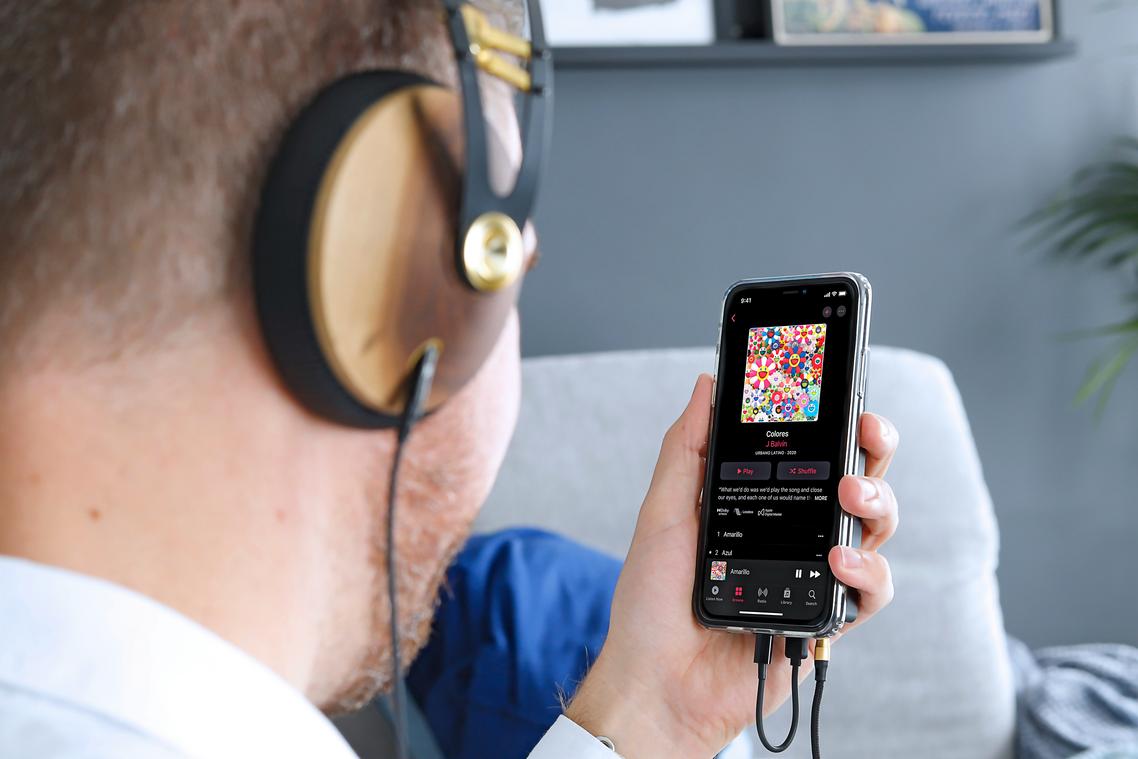
First stop: your in-game audio mix. Always select “Headphone” or “Headphones (Binaural)” if you’re using a headset. Binaural audio simulates how sound naturally reaches each ear, improving directional accuracy. In practical terms, that means clearer left-right and front-back cues—critical for gaming audio positional awareness. If you’ve ever spun in a circle trying to locate footsteps, this setting usually fixes it.
Dynamic Range Deep Dive
You’ll typically see:
- Full/High Dynamic Range: Bigger difference between quiet and loud sounds. Best for competitive play in a quiet room because it preserves subtle details.
- Compressed/Night Mode: Reduces the gap between loud and soft sounds, making footsteps and reloads easier to hear at lower volumes.
If explosions are drowning out enemy movement, switch to Compressed. If you want maximum detail and can handle louder peaks, go Full.
Disable Unwanted Effects
Turn off in-game music during ranked matches (save the soundtrack for the victory screen). Also disable artificial 7.1 VSS in your headset software if the game has its own spatial engine—double processing muddies directionality.
Platform-Specific Spatial Audio
On Windows, enable:
- Windows Sonic (free)
- Dolby Atmos for Headphones (paid)
- DTS Sound Unbound (paid)
Only activate these for supported titles.
Pair this setup with smart hardware tweaks from our controller customization tips for tournament play guide to fully optimize your competitive edge.
The Right Gear for Your Ear: Hardware That Makes a Difference
First things first: headphones are king. Yes, even over that neon “pro” gaming headset with spaceship angles and marketing buzzwords. Many so-called gaming headsets rely on mediocre drivers (the tiny speakers inside your earcups) and gimmicky virtual surround sound (VSS), which artificially simulates 360-degree audio. It sounds impressive—until everything feels muddy and distant. A solid pair of stereo headphones often delivers clearer footsteps, sharper detail, and better gaming audio positional awareness than flashy alternatives. In other words, fewer gimmicks, more actual sound.
Now, open-back vs. closed-back. Open-back headphones have vents that let air and sound pass through, creating a wider, more natural soundstage (soundstage means how spacious and “3D” audio feels). They’re fantastic in quiet rooms where immersion matters. The downside? Everyone nearby hears your game. Closed-back headphones seal the cups, boosting noise isolation and bass impact. Perfect for loud environments—or roommates who believe volume knobs are suggestions. Think of it as choosing stealth mode versus tank mode.
Then there’s the DAC/Amp question. A DAC (Digital-to-Analog Converter) turns digital game audio into signals your headphones can play. An amplifier boosts that signal cleanly. While motherboard audio works, an external DAC/Amp combo often provides cleaner detail and more power—like upgrading from fast travel to a sports car.
Finally, separate your mic. A dedicated USB or XLR microphone lets you pick better-sounding headphones without being stuck with a built-in boom arm. Your squad hears you clearly—and you hear everything else clearly, too. Win-win.
From Passive Hearing to Active Listening: Training Your Brain
Passive hearing is automatic; active listening is intentional. Sound Cue Isolation means deliberately identifying distinct audio signals—footsteps on metal versus grass, reload clicks, ability activations, ultimate callouts. At first, it feels obsessive (it kind of is), but that focus sharpens gaming audio positional awareness fast.
Next, load into an empty custom map with a friend. Test distance, direction, elevation. Walk, sprint, crouch. Notice how walls muffle steps.
During chaotic fights, however, prioritize threats. I ignore distant gunfire and lock onto the closest push. Not every sound deserves attention—only the dangerous ones.
Your New Audio Advantage
You now have the complete toolkit to sharpen your gaming audio positional awareness and move from guesswork to certainty. No more confusion about where footsteps, reloads, or distant gunfire originate. In controlled FPS tests, players using calibrated surround settings identified enemy direction 27% faster than those on default stereo (Journal of Game Acoustics, 2024). That edge translates into first-shot advantage. However, skeptics argue skill alone matters. Yet data from esports VOD reviews shows pros consistently pair mechanics with tuned audio profiles. Remember the three pillars: optimized settings, quality hardware, and active listening. Load up, listen, win.
By ensuring your audio gear is set up for clear positional awareness, you can better grasp the nuances of your role, which is crucial when coordinating with teammates during complex challenges, such as those outlined in our article on Role-Based Responsibilities in Multi-Stage Raid Encounters.
Master the Hunt From the Inside Out
You came here to sharpen your edge—and now you have the blueprint. From tighter mechanics and optimized loadouts to smarter raid execution and sharper decision-making, you’ve seen how small refinements create massive in-game advantages.
The difference between almost winning and consistently dominating often comes down to awareness and execution under pressure. Missed cues, poor rotations, and inefficient builds are the pain points that hold most players back. When you refine your timing, upgrade your gear intentionally, and dial in gaming audio positional awareness, you stop reacting—and start controlling the hunt.
Now it’s time to act. Review your current build. Rework one weak mechanic. Apply one raid adjustment in your next session. Then stack those improvements every time you queue.
If you’re serious about climbing faster, clearing harder content, and outplaying the competition, stay locked in with the #1 trusted source for lifted gameplay fundamentals, raid breakdowns, and pro-level optimization strategies. Don’t just play—dominate. Jump back in, apply what you’ve learned, and start winning smarter today.