

You just finished a game and thought, “That felt incredible,” but can’t pinpoint why. The controls, the progression, the combat. It all just clicked.
That’s the magic of game mechanics, and this guide is here to demystify it for you.
I’m diving deep into the game physics guide to reveal the rules and verbs developers use to craft those experiences. This isn’t just another fluffy tutorial. I’ve spent countless hours dissecting everything from complex raid encounters to the core loops of top-tier plan games.
Why should you care? Because understanding these mechanics changes how you see every game. You’ll appreciate your favorites more and finally understand why others just don’t hit the mark.
Stick around, and you’ll gain a new lens to see the gaming world.
Game Mechanics Unplugged: It’s All About Verbs
So, what are game mechanics, really? You might’ve heard the term thrown around like it’s some arcane game design jargon. But it’s simpler than that. Game mechanics are the rules and actions that define what you can actually do as a player.
Think about this: in the world of games, mechanics are like the verbs you use. Jump, shoot, build, talk (these) are the actions you’re taking.
Here’s an analogy for you. Imagine game mechanics as the laws of physics in a game’s universe. Gravity pulls you down, right?
That’s a rule. But jumping? That’s the action you take within that rule.
It’s the same with game mechanics.
Let’s break it down to avoid confusion. A mechanic is a single action or rule. Like when you double-jump in a game (because once isn’t enough, let’s be real).
A system, on the other hand, is a collection of related mechanics. Think of it as the entire platforming system that includes things like running or grappling. Then there’s the gameplay loop: the cycle of actions players repeat.
In a looter shooter, that’s killing enemies to get loot, gearing up, and taking on tougher foes.
Still with me? Let’s use Mario as a real-world example. The mechanic is simple: Mario jumps.
But the system includes how high he jumps, how long he’s in the air, and what unfolds when he squashes an enemy. The loop involves using that jump to get through levels and ultimately reach a goal.
Oh, and let’s not forget about the importance map awareness gaming. Knowing your surroundings is just as key as mastering those jumps. Every move counts, blending plan with action.
This game physics guide isn’t just for designers; understanding these elements will seriously level up your playing experience.
Game Mechanics Unveiled: A Peek into the Core Components
If you’ve ever wondered what makes a game tick, you’re not alone. I’ve spent countless hours immersed in virtual worlds, and I get it. Developers mix and match these core building blocks to craft experiences that keep us coming back.
Let’s break down the common “ingredients” they use (spoiler: it’s more than just fun!).
First up, Physics & Movement Mechanics. These are the silent heroes of any game. They define how players and objects interact with their world.
Take Zelda: Breath of the Wild, for instance. The freedom of climbing any surface isn’t just about freedom. It’s about exploration and the thrill of discovery.
Or the web-swinging physics in Marvel’s Spider-Man 2. You’re not just playing; you’re flying through New York City. Want to dig deeper into the physics side of things?
Check out this d physics.pdf for a deeper dive.
Next, Combat Mechanics. They’re the rules of fighting (the) way battles play out. In Sekiro: Shadows Die Twice, the high-stakes parry and posture system keeps you on the edge of your seat.
It’s intense, maybe even unforgiving. Meanwhile, the ability-combo and cooldown management in League of Legends (a MOBA, for those in the know) demands plan and teamwork. You can’t just charge in blindly.
Then there’s Resource Management Mechanics. Sound dull? Think again.
In survival horror games like Resident Evil 4, managing your inventory and ammo can mean life or death. And spending skill points in an RPG skill tree? Like in Diablo IV, it’s all about building your character just right.
You mess it up, you pay the price.
Moving on, Progression Mechanics. This one’s all about growth and momentum. Remember the ‘rogue-lite’ loop in Hades?
You die, sure, but you get stronger. That feeling of getting better, faster, more solid (it’s) addictive. Or the experience points and leveling system in Baldur’s Gate 3.
It’s a classic and for a reason.
Finally, we’ve got Economic & Social Mechanics. This is where trade, crafting, and interaction come into play. EVE Online has a player-driven economy that’s alive. Real players, real consequences.
And in Stardew Valley, item-gifting and relationship building create connections.
So, what’s your favorite mechanic? And why? These ingredients shape the games we love.
Maybe even the games you create. (Yes, you!)
Gameplay Mechanics: The Secret Sauce of Unforgettable Games
Ever wonder what makes a game unforgettable? It’s not just flashy graphics or engaging stories. It’s the mechanics.
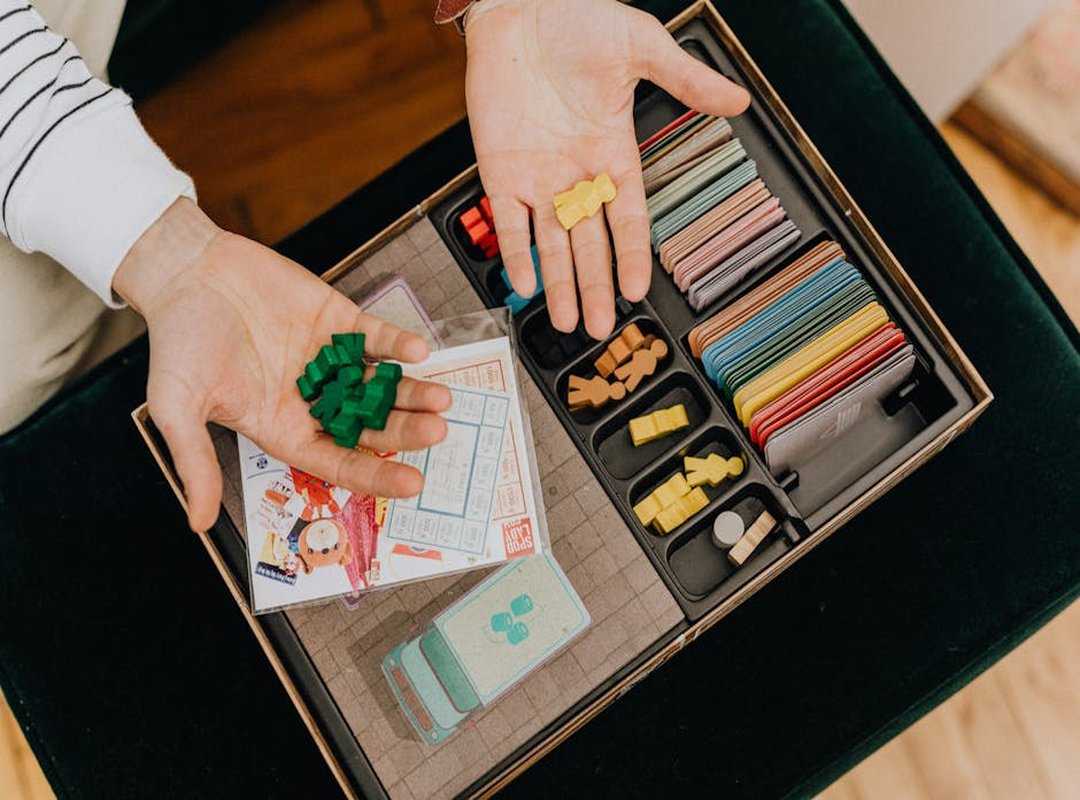
Good games have them. Great games make them work in harmony, crafting a specific feeling known as ‘game feel’. Take DOOM (2016) as a case study.
It’s brilliant because its core mechanics create a power-fantasy atmosphere you can’t ignore.
Let’s dissect this. The ‘Glory Kill’ mechanic is a stroke of genius. It rewards aggression by giving health during combat.
Got low ammo? The ‘Chainsaw Kill’ mechanic steps in, giving you more bullets. This pushes you to play on the offensive, not hide.
It’s a brilliant feedback loop that perfectly matches the game’s theme. If you’re looking to master basic game controls, DOOM is a textbook example.
But mechanics don’t just stop at planned design. Enter ’emergent gameplay’. This is where simple mechanics combine in unexpected ways, letting players improvise and innovate.
Remember the buzz around Tears of the Kingdom? Its physics and elemental systems allow players to create surprisingly complex machines from simple parts. Who knew mixing elements could be so creative?
The beauty of emergent gameplay is its unpredictability. Developers lay the groundwork, but players find new ways to interact with it. Does this make it more exciting?
Absolutely. For anyone diving into game design, understanding mechanics and their harmony is key. And if you’re creating a game physics guide, focusing on this interplay can make your work stand out.
The mechanics form the backbone of memorable gaming experiences. When done right, they raise a game from good to legendary.
Your Turn: A Simple System for Analyzing Any Game
Alright, you’ve read enough theory. It’s time to get your hands dirty. Here’s a game physics guide that’s actually useful.
First up, Identify the Verbs. What are you doing in the game? Running, shooting, jumping?
Write them all down. Yes, even the boring ones. Next, Find the Rules & Costs.
Every action has a price, right? Think about cooldowns or stamina bars. They can make or break your plan.
Then, Connect to the Feeling. This is where the magic happens. Does sprinting make you feel unstoppable?
Or does that endless reload time drive you nuts? That emotional core is the essence of game design. Don’t skip this step.
It’s key for understanding why you love (or) hate (a) game.
So there you have it. A practical way to dissect any game. Feel free to use this system next time you’re deep in your favorite title.
Happy analyzing.
See Games Differently
We’ve come a long way, haven’t we? From guessing why a game feels right to actually having a handle on its mechanics. By seeing games through verbs and rules, you’re not just playing; you’re understanding.
It’s a deeper appreciation. Want to see this in action? Try using our 3-step system on your next game.
Notice how mechanics direct your every move. Ready to dive deeper? Check out another game physics guide for advanced strategies.
You’re on the brink of something big. Don’t just play. Understand.
Visit innerlifthunt.com now. Discover what you’ve been missing.
 There is a specific skill involved in explaining something clearly — one that is completely separate from actually knowing the subject. Phoebe Avendanosanil has both. They has spent years working with emerging gaming news in a hands-on capacity, and an equal amount of time figuring out how to translate that experience into writing that people with different backgrounds can actually absorb and use.