
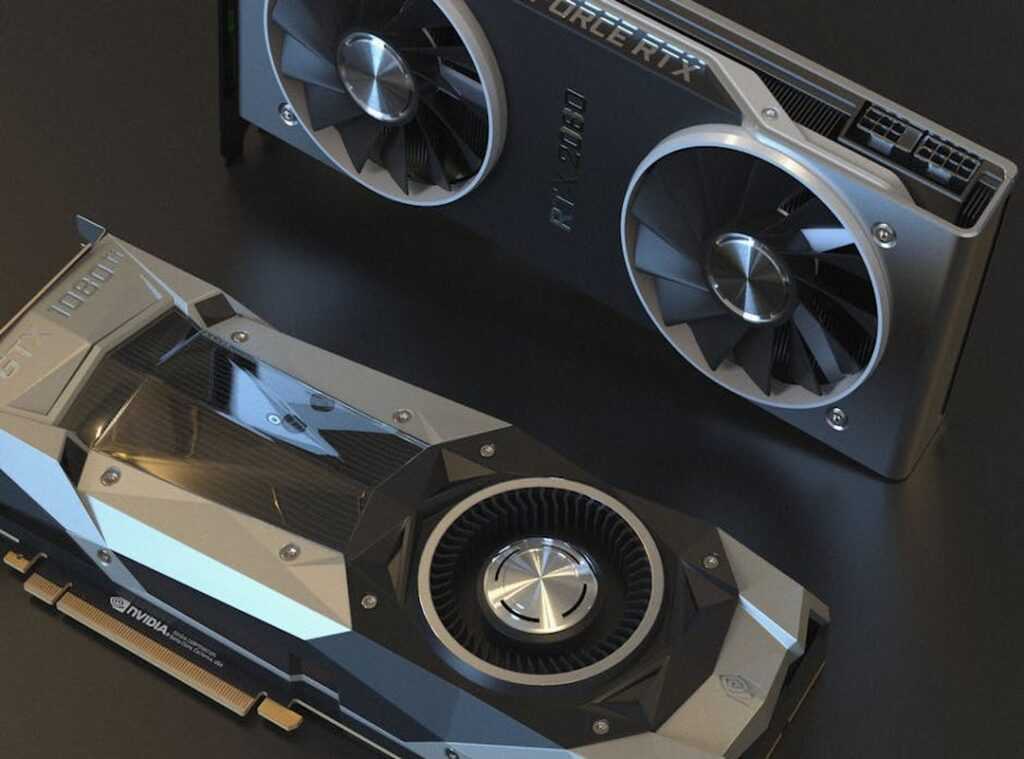
Have you ever looked at a game and been blown away by how real it looks? I’m talking about those moments when you’re wandering through a rain-soaked city or a forest so lifelike, you can almost feel the damp earth beneath your feet. That’s the magic of gaming graphics evolution.
But let’s be honest, the tech behind it all can be baffling. What do RTX, DLSS, and Nanite even mean? How do they change what we see and play?
This article cuts through the jargon. I’ve spent years diving into gaming hardware and software, and I’m here to share the most key advancements. It’s not just about pretty pictures.
It’s about immersion and engagement. Get ready for a straightforward guide to the tech that’s transforming your gaming experience.
The Big Shift: From More Polygons to Smarter Pixels
Remember the days when gaming graphics meant piling up as many polygons as possible? It was like building a LEGO model and trying to make it look like a clay sculpture. More blocks, more detail.
Or so we thought. But here’s the thing: after a while, adding polygons led to diminishing returns. You’d get more detail, sure, but at what cost?
Processing power was sweating bullets.
Now, the gaming graphics evolution is all about being smart, not just adding bulk. Instead of cramming in more polygons, we’re turning to systems that mimic reality. Think about it: realistic lighting, like Ray Tracing, changes the game.
It’s the difference between a flashlight and the sun. You see the light bounce, shadows fall naturally, and suddenly, you’re immersed.
And don’t get me started on AI-powered performance like Upscaling. It takes a small image and makes it look big and beautiful without breaking a sweat. It’s like magic, only it’s real.
New game engines are the next frontier, building worlds that feel alive.
Why did we need this shift? Because detail alone wasn’t cutting it anymore. We needed smarter, not just more.
For a deeper dive into how power and skill balance each other in this new world, check out this Expert Review Balancing Power Skill. It’s all about moving beyond the old ways and embracing the future.
The Magic of Light: Ray Tracing and Path Tracing
Ray tracing is like magic for gaming graphics evolution. It mimics the way light plays in the real world. Imagine this: you’ve got a shadow in an old game, a stiff, fake blob.
Compare that to the smooth, shifting shadows in a game like Control. It’s night and day, right? Ray tracing makes light bounce, creating lifelike reflections and shadows.
But there’s more. Path tracing takes it up a notch. It’s basically ray tracing on steroids.
You can see your own character’s reflection in the puddles of Cyberpunk 2077. It’s not just cool. It’s art.
Instead of a few light rays, it traces hundreds, making scenes even more realistic. Think of Alan Wake 2 or Portal with RTX. These games push the boundaries.
They’re the gold standard. But there’s a catch. This realism isn’t cheap.
It demands power. Your graphics card will work overtime (and maybe overheat if you’re not careful).
So, is the performance hit worth it? I say yes. The “price of admission” for modern realism is steep, but the reward?
Pure visual bliss. You get stunning images that make you pause mid-game just to admire them. Kind of like stopping to watch a perfect sunset.
Want to dig deeper? Check out this gaming graphics evolution. It’s a wild ride seeing how far we’ve come.
From pixelated blobs to photorealistic worlds, we’re living in the future. And it’s only going to get better from here.
Smarter, Faster, Stronger: How DLSS, FSR, and XeSS Boost
Ever tried playing a game and it feels like you’re watching a slideshow? It’s frustrating. But AI upscaling jumps in like a hero.
With technologies like DLSS, FSR, and XeSS, your gaming graphics evolution takes a giant leap forward. These tools are like having a master artist sketch your game at a lower resolution, then intelligently fill in the details, cranking up the visuals to your screen’s native resolution without the lag.
Your game looks stunning and runs like a dream. Who wouldn’t want that? With this tech, you get to enjoy high-end features like Ray Tracing without sacrificing those silky smooth frame rates.
It’s the secret sauce for unlocking next-gen visuals. If you’re curious about how these tools compare to the broader tech world, consider Comparing Popular Game Engines. It’s all about understanding how these engines and technologies co-exist.
NVIDIA’s DLSS leads the pack, with AMD’s FSR and Intel’s XeSS in close pursuit. Let’s not dive into the nitty-gritty of their technical differences (you can Google that if you’re nerdy like me), but focus on their shared mission. They all aim to make your gaming experience as immersive and fast as possible.
Bottom line? AI upscaling is the key to a better gaming experience. It seamlessly blends the art of gaming with modern tech, transforming our expectations.
Ready to leave slideshows in the dust? I know I am.
Building Worlds: Unreal Engine 5’s Nanite & Lumen
When we talk about the gaming graphics evolution, Unreal Engine 5 is leading the charge. Forget the old way of rendering. It’s not about how we see the game anymore.

Nanite is like having a magic wand for developers. It lets them use movie-quality, high-polygon assets directly in games. No more worrying about the game lagging or objects popping in and out of view.
It’s about how we build the worlds we play in. Unreal Engine 5’s Nanite and Lumen are game-changers (literally).
The detail is insane. You see everything, all at once, without waiting for it to load.
Lumen, on the other hand, is all about light. It’s not just lighting; it’s real-time global illumination. Imagine blowing a hole in a wall.
In real-time, light spills through that hole and dances around the room. It’s not just for show, it changes how you experience the game. If you’ve checked out Fortnite post-Chapter 4 or seen the The Matrix Awakens demo, you know what I’m talking about.
These tools make the game world feel alive, reacting to every change instantly.
Why does this matter? Well, because the way we engage with virtual worlds is shifting. We’re no longer just players; we’re part of these changing worlds.
Nanite and Lumen together create smooth, detailed, and reactive environments. It makes you wonder: what’s next for gaming? With these tools, the possibilities seem endless.
They’re not just enhancing visuals; they’re redefining what’s possible in game development.
Gaming Graphics: The Next Level
The gaming graphics evolution is unstoppable. AI-driven asset creation and procedural generation are about to blow our minds. Imagine game worlds that are infinitely varied and massive.
It’s like having a new universe every time you log in. Machine learning will redefine character animation. NPCs and player characters will move with a realism we’ve never seen before.
And cloud gaming? It could demolish hardware barriers, letting anyone experience top-tier visuals regardless of their rig. Skeptical?
I get it. But mark my words, the future of gaming visuals is closer than you think.
See the Change in Your Gaming Experience
You’ve been lost in jargon, right? Gaming graphics evolution is all about making worlds feel real. Realistic light and AI boost your immersion. Check your game settings, turn on Ray Tracing or DLSS/FSR.
Experience the shift. Dive in. See how different your favorite game feels now.
 There is a specific skill involved in explaining something clearly — one that is completely separate from actually knowing the subject. Veyron Mornvale has both. They has spent years working with hunt strategy breakdowns in a hands-on capacity, and an equal amount of time figuring out how to translate that experience into writing that people with different backgrounds can actually absorb and use.
Veyron tends to approach complex subjects — Hunt Strategy Breakdowns, Lifted Gameplay Fundamentals, Inner Core Raid Mechanics being good examples — by starting with what the reader already knows, then building outward from there rather than dropping them in the deep end. It sounds like a small thing. In practice it makes a significant difference in whether someone finishes the article or abandons it halfway through. They is also good at knowing when to stop — a surprisingly underrated skill. Some writers bury useful information under so many caveats and qualifications that the point disappears. Veyron knows where the point is and gets there without too many detours.
The practical effect of all this is that people who read Veyron's work tend to come away actually capable of doing something with it. Not just vaguely informed — actually capable. For a writer working in hunt strategy breakdowns, that is probably the best possible outcome, and it's the standard Veyron holds they's own work to.
There is a specific skill involved in explaining something clearly — one that is completely separate from actually knowing the subject. Veyron Mornvale has both. They has spent years working with hunt strategy breakdowns in a hands-on capacity, and an equal amount of time figuring out how to translate that experience into writing that people with different backgrounds can actually absorb and use.
Veyron tends to approach complex subjects — Hunt Strategy Breakdowns, Lifted Gameplay Fundamentals, Inner Core Raid Mechanics being good examples — by starting with what the reader already knows, then building outward from there rather than dropping them in the deep end. It sounds like a small thing. In practice it makes a significant difference in whether someone finishes the article or abandons it halfway through. They is also good at knowing when to stop — a surprisingly underrated skill. Some writers bury useful information under so many caveats and qualifications that the point disappears. Veyron knows where the point is and gets there without too many detours.
The practical effect of all this is that people who read Veyron's work tend to come away actually capable of doing something with it. Not just vaguely informed — actually capable. For a writer working in hunt strategy breakdowns, that is probably the best possible outcome, and it's the standard Veyron holds they's own work to.