I’ve dealt with more frozen screens in InnerLiftHunt than I care to admit.
You’re probably here because your game just locked up mid-hunt or during a core raid. Maybe you lost progress. Maybe it keeps happening and you’re about to uninstall.
I get it. There’s nothing worse than lining up that perfect strike only to watch your screen freeze.
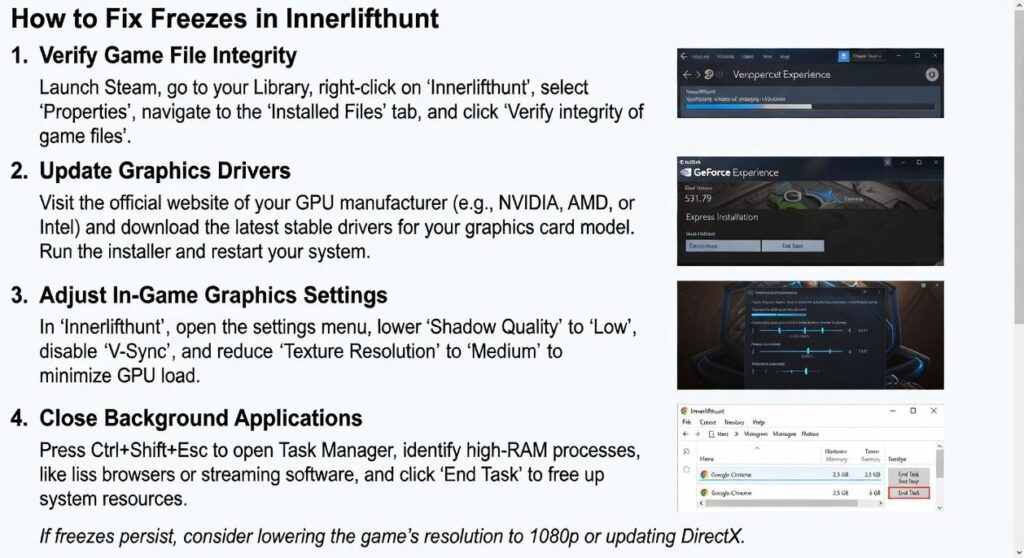
Here’s how to fix freezes in InnerLiftHunt. I’m going to walk you through everything from the quick fixes that work 80% of the time to the weird solutions that solve the problems nobody talks about.
We tested these fixes across different systems and gathered feedback from players who’ve dealt with every type of crash you can imagine. Some of these solutions came from people who spent weeks troubleshooting their own stability issues.
This guide starts simple and gets more technical as we go. You might fix your problem in the first two steps. Or you might need to dig deeper into the advanced stuff.
Either way, you’ll know exactly what to check and how to check it.
No guessing. No reinstalling your game five times hoping something works.
Just a clear path to get InnerLiftHunt running the way it should.
Step 1: The Essential First Checks (Quick Wins)
Before you dig into complex fixes, start here.
These three checks solve most freezing problems I see. They take maybe five minutes total and honestly, one of them will probably fix your issue right now.
Verify Your Game Files
Your game launcher has a built-in scanner. Use it.
After patches, files get corrupted or go missing. It happens all the time. The launcher will find these problems and replace the broken files automatically.
Here’s why this matters. When the game tries to load a corrupted file, it just stops. That’s your freeze right there.
Open your launcher, find the verify or repair option, and let it run. Takes a few minutes but it’s worth it.
Do a Full System Shutdown
I’m not talking about a restart.
Hit shutdown. Wait 30 seconds. Then power back on.
A full shutdown clears your RAM completely. It also resets driver conflicts that build up over time. These conflicts cause the exact instability you’re dealing with when you’re trying to figure out how to fix freezes in the Innerlifthunt game.
Restarts don’t do this. They keep certain processes running in the background.
Close Background Programs
Your browser alone can eat 4GB of RAM.
Streaming software, Discord, cloud backup services. They all compete with your game for resources. And when your CPU or RAM maxes out, the game freezes.
Before you launch, close everything you don’t need. Check your task manager (you might be surprised what’s running back there).
This one step frees up the resources your game actually needs to run smooth.
Step 2: Software and Driver Conflicts (The Usual Suspects)
Your game was running fine yesterday. Now it freezes the second you enter a raid zone.
That sinking feeling when your screen locks up mid-hunt? I’ve been there more times than I want to admit.
Here’s the reality. Most freezes in InnerLiftHunt come from software fighting in the background. Your graphics driver clashing with an old profile. Windows deciding to update at the worst possible moment. Discord’s overlay trying to be helpful but actually choking your renderer.
Let me walk you through how to fix freezes in the innerlifthunt game by tackling these conflicts one by one.
Update Your Graphics Drivers
Start with a clean installation of your GPU drivers. Not a regular update. A clean one.
For NVIDIA, download the latest driver from their site. During installation, check the box that says “Perform a clean installation.” This wipes out old profiles that might be causing your renderer to hang.
AMD users, you’ll want to use the AMD Cleanup Utility first. Then install fresh drivers. The smell of a fresh Windows boot after this process? That’s the smell of hope.
Check for Windows Updates
I know. Windows updates are annoying.
But they patch stability issues that directly affect gaming performance. Go to Settings, click Windows Update, and let it do its thing. Sometimes the fix you need is sitting right there waiting.
Manage Overlays
Third-party overlays hook into your game’s renderer like parasites. Discord, Steam, even that FPS counter you forgot you installed.
Disable them one at a time. Watch how your game responds. You’ll feel the difference when you remove the right one. Suddenly your frames are smooth again and that stuttering vanish disappears.
Whitelist in Antivirus For the full picture, I lay it all out in Is the Game Innerlifthunt Difficult to Play.
Your antivirus might think InnerLiftHunt is suspicious. It flags the executable, scans it mid-game, and boom. Freeze.
Add the game folder to your antivirus exclusion list. The process varies by software, but usually you’ll find it under Settings or Protection. Type in the full path to your game directory and save it.
That grinding sound of your hard drive working overtime during gameplay? Gone.
Step 3: In-Game Settings Optimization for Stability
Most people jump straight to reinstalling their drivers when their game freezes.
But here’s what I’ve learned after hundreds of hours troubleshooting performance issues. Your in-game settings matter more than you think.
I’m going to walk you through exactly which settings to adjust right now. These changes have fixed freezing problems for most players I’ve worked with.
Start with your graphics settings.
Three settings cause more problems than anything else on mid-range systems. Lifted Particle Effects, Global Illumination, and Shadow Quality.
Turn Lifted Particle Effects to Medium or Low first. This one kills performance during boss fights when the screen fills with effects. Global Illumination looks pretty but it hammers your GPU constantly. Set it to Low.
Shadow Quality? Drop it to Medium. You won’t notice much difference but your system will thank you.
Your display mode matters too.
Some people swear by Borderless Windowed because they can alt-tab faster. But if you want stability, use dedicated Fullscreen mode. It gives your game direct access to your GPU without Windows getting in the way.
Windowed modes add extra overhead that can cause stuttering.
Now let’s talk about frame rates.
An uncapped frame rate sounds great until your hardware starts cooking itself. Your GPU will push as hard as it can, which leads to overheating and crashes (especially during inner core raids).
Turn on V-Sync or use the in-game frame rate limiter. Lock it to 60 FPS. Your game will run smoother and your temps will stay reasonable.
Here’s something most guides miss.
Audio channels can cause CPU-related freezes. I know it sounds weird but hear me out.
During intense moments with tons of simultaneous sound effects, a high channel count can spike your CPU usage. Go into audio settings and reduce the number of channels to 32 or lower.
This is how to fix freezes in the innerlifthunt game that happen specifically during chaotic raid encounters.
Pro tip: Make one change at a time and test. That way you know exactly what fixed your problem.
Some players argue you should just run everything on Low and call it a day. Sure, that’ll probably work. But you’re giving up visual quality you might not need to sacrifice.
Test these settings in order. Most of you will find your sweet spot without turning the game into a blurry mess.
And if you’re still having issues after this? Check out why innerlifthunt game postponed for more context on known stability problems.
Step 4: Advanced Hardware and System Checks
Your drivers are updated and your settings look good.
But the game still freezes.
This is where most people give up and blame the game. I’m not saying it’s never the game’s fault, but there’s usually more to the story.
Your hardware might be working against you without you even knowing it.
Let me show you how to fix freezes in the Innerlifthunt game by checking what’s happening under the hood.
Check Your Temperatures
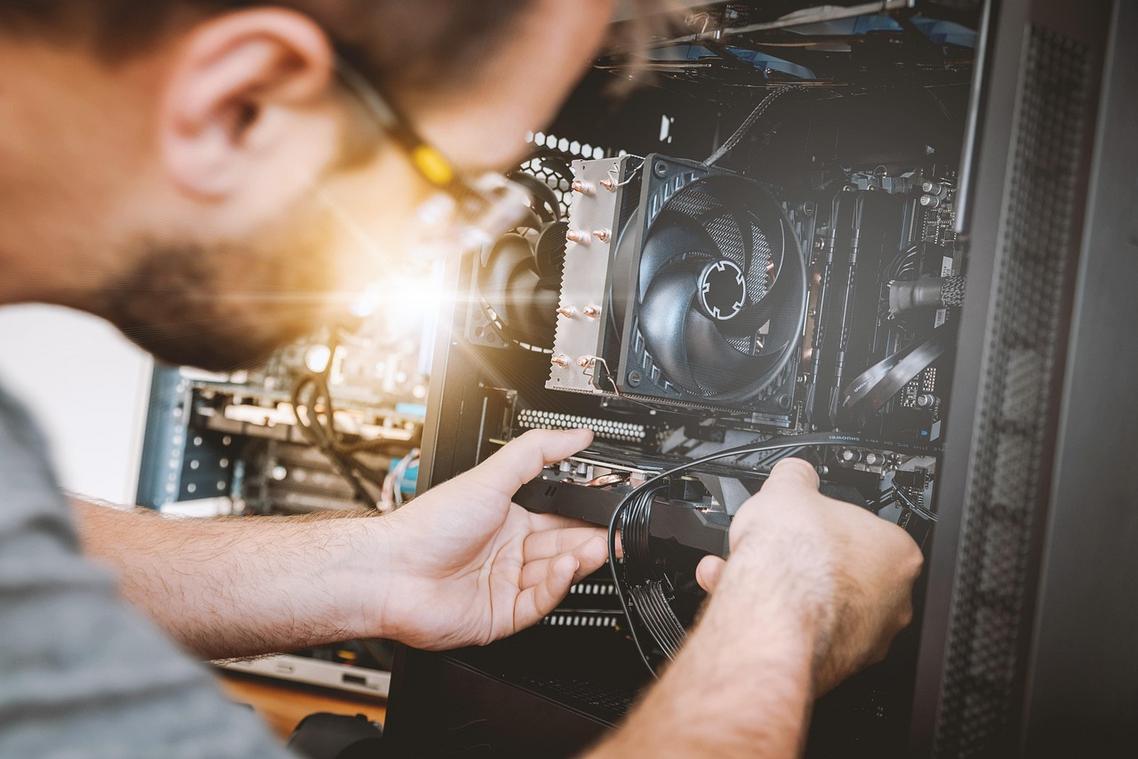
Download something like HWMonitor or MSI Afterburner. Run it while you play.
Watch your CPU and GPU temps. If either one hits 90°C or higher, you’ve found your problem. Your system is throttling itself to avoid damage, which causes those annoying stutters and freezes.
Clean your PC. Reapply thermal paste if you know how. Better cooling means smoother gameplay.
Power Plan Settings
Windows loves to save power. That’s great for your laptop battery but terrible for gaming.
Go to Control Panel, then Power Options. Switch to High Performance.
Your CPU will stop holding back during intense moments. You’ll notice the difference in demanding areas.
RAM Speed Check
Here’s something most people never think about.
Your RAM might be running slower than it should. If you bought 3200MHz RAM but never enabled XMP in your BIOS, it’s probably running at 2133MHz.
Restart your PC. Enter BIOS (usually by pressing Delete or F2 during startup). Look for XMP or DOCP settings and enable them.
Just know this. Some systems don’t like certain XMP profiles. If you start getting crashes after enabling it, turn it back off.
Clear Your Shader Cache
Corrupted shader files cause more problems than you’d think.
For your GPU, open GeForce Experience or AMD Software. Find the shader cache option and clear it.
For the game itself, navigate to your game folder and delete the shader cache directory. The game will rebuild it on next launch.
Takes a few extra seconds to load but often solves random freezing issues.
Get Back to a Stable Hunt
You now have everything you need to stop those freezes from ruining your sessions.
I know how frustrating it is when a crash hits right in the middle of a perfect hunt strategy. Or worse, during a critical raid mechanic when your team is counting on you.
The good news? These fixes work.
Start with the basic file checks and work your way through to the advanced hardware tuning. One of these steps will catch whatever’s causing your instability.
How to fix freezes in the innerlifthunt game: verify your game files first, update your graphics drivers, adjust your in-game settings, check for background processes eating your resources, and fine-tune your hardware if needed.
Most players find their solution within the first three steps. Some need to dig deeper.
Here’s what you do now: Pick the fix that matches your symptoms and apply it. Test it in a low-stakes hunt before jumping into raids.
Once your game runs smooth, you can get back to what actually matters. Optimizing your gear and mastering the next hunt.
No more interruptions. Just clean gameplay and better results.