
I’ve spent hundreds of hours hunting in Innerlifthunt. I’ve failed against the same boss 20 times in a row and I’ve carried teams through endgame raids.
You’re probably stuck somewhere between beating story mode and actually competing in high-level hunts. That gap is brutal.
Here’s the thing: is the game innerlifthunt difficult to play? Yes. But not for the reasons most players think.
The game doesn’t explain its deeper systems. You can brute force your way through early content, but eventually you hit a wall. Your gear stops working. Your damage falls off. And you become dead weight in group hunts.
I’ve tested different builds, studied monster patterns, and broken down the mechanics that the game never bothers teaching you. This guide covers all of it.
You’ll learn how to actually optimize your gear (not just equip whatever has the highest number). How to read monster behavior before they one-shot you. And how to contribute in raids without getting kicked from the party.
No fluff about being the best player ever. Just the strategies that work right now to get you past whatever’s blocking your progress.
Whether you’re struggling with your first major hunt or trying to break into endgame content, this guide will show you what you’re missing.
Mastering the Core Gameplay Loop: Lift, Hunt, Ascend
Look, I’m going to be honest with you.
Is the game Innerlifthunt difficult to play? Yeah, it is. At least at first.
Most guides will sugarcoat this part. They’ll tell you it’s all about practice and patience. But I think that’s doing you a disservice.
The truth is the core loop feels weird until it clicks. You’re lifting energy, hunting monsters, and trying to ascend through zones while everything wants to kill you.
Some players say you should just button mash your way through early content. That the complexity doesn’t matter until endgame. I’ve heard this argument a hundred times.
They’re wrong.
The Lift Phase is where most people fail. Not because it’s complicated but because they treat it like a chore. You run around grabbing random glowing plants and wonder why you’re getting destroyed in fights.
Here’s what actually works.
Resonant Flora gives you way more energy than standard pickups. I’m talking three times the charge. When you’re in Sunken Caverns (and you should start there), follow the bioluminescent mushroom trail. You can grab three full charges in under 90 seconds if you don’t waste time on trash pickups.
Then comes the hunt.
Positioning beats gear every single time. I don’t care what weapon you’re running. If you’re standing in front of a Gnasher when it winds up, you’re going to eat dirt.
Stay on the flank. Always. Those frontal cone attacks will wreck you even if you’re overleveled.
And listen to the audio cues. When you hear that deep rumble before an Apex Strike, you need to move. Not block. Not tank it. Move. Those hits go through everything.
Pro Tip: Learn to stutter-step after your attacks. Dash immediately when your attack animation finishes. It cancels the recovery frames and lets you reposition way faster than rolling. This one technique will save you more times than I can count.
The ascension part? We’ll get to that. But if you can’t nail lifting and hunting first, you won’t make it far enough for ascension to matter.
Advanced Hunt Strategies for Apex Predators
Is the game innerlifthunt difficult to play?
Yeah. It can be brutal if you walk in unprepared.
But here’s what most players don’t realize. The difficulty isn’t random. Every apex predator in innerlifthunt follows patterns you can exploit once you know what to look for.
I’m going to walk you through the strategies that actually work.
Elemental Weaknesses & Status Effects
Every monster has a weak spot. Not just physical, but elemental.
Take the Gloomfang. Sure, you can chip away at it with whatever weapon you’re carrying. Or you can bring Radiant damage and watch its health bar melt.
But here’s the kicker. That same Gloomfang is also vulnerable to Paralysis. Lock it down with a status proc and your whole team gets a free damage window.
Most players ignore this. They run the same build for every hunt and wonder why they’re carting three times before the 10-minute mark.
Strategy: The Counter-Loadout
Before you start any hunt, inspect your target.
Facing a Frost-Tyrant? Build for Ignition damage and stack Melt resistance. It’s that simple.
Generic builds work for trash mobs. They’ll get you killed against apex predators.
Mastering Stagger and Part Breaks
Want to know the difference between a good hunter and a great one?
Staggers.
When you focus sustained damage on a monster’s legs, you’ll trigger a Stagger. The beast topples over and you get several seconds of free hits.
Time this during rage phases (when the monster is most dangerous) and you turn the fight around.
The Value of Part Breaks
Breaking parts isn’t just about loot.
Target a tail until it snaps off? That tail swipe attack is gone for the rest of the fight. Shatter those horns? No more charging attacks.
Plus you get rare crafting materials you can’t find anywhere else.
Focus fire with your team. Call out part breaks. Control the fight instead of reacting to it.
Inner Core Raids: From Surviving to Thriving
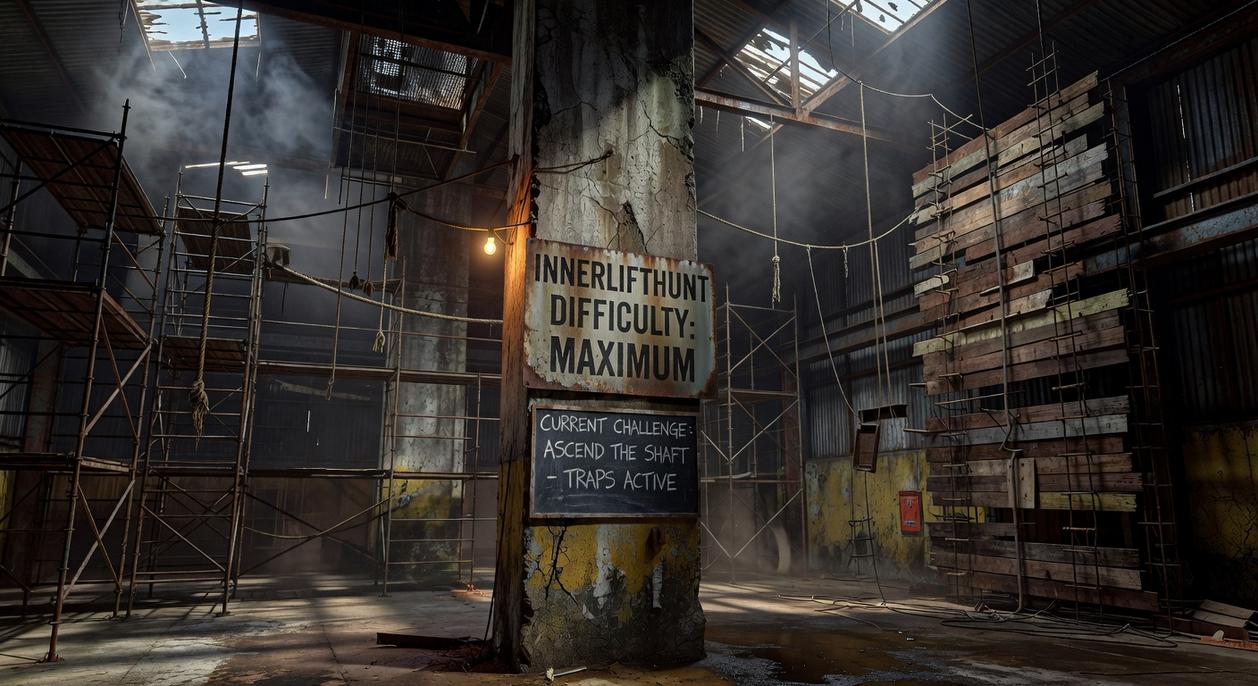
I wiped 14 times on the Inner Core final boss before I figured it out.
Fourteen times.
My team was ready to quit. One guy actually did (we replaced him with someone who stuck around long enough to finally clear it).
The problem wasn’t our gear. It wasn’t even our skill level. We just didn’t understand how raid mechanics actually work in this game.
Some players say raids are too complicated. They argue that all the role assignments and coordinated mechanics take the fun out of it. Just let people play how they want, right?
I used to think that too.
But after finally beating that boss, I realized something. The structure isn’t there to limit you. It’s there because without it, you’re just throwing bodies at a wall and hoping something sticks. Why Should I Preorder a Innerlifthunt Game is where I take this idea even further.
Here’s what I learned the hard way.
You need defined roles. While there are no hard classes, someone needs to be your Breaker. That’s the player running heavy weapons to stagger the boss. You need a Sustainer with healing and buffing perks to keep everyone alive. And you need a Provoker to manage the boss’s attention using taunt abilities.
Without these roles, everyone just does their own thing and the raid falls apart.
The Resonance Cascade mechanic is where most teams fail. During the final boss fight, three players get marked with colored runes. Each marked player has to run to the matching colored pillar in the arena and deposit the energy.
Miss the timing? Instant team wipe.
No second chances.
I’ve seen teams with great DPS crumble because they didn’t practice this one mechanic. That’s why positioning matters so much. The arenas aren’t random. Use pillars and raised ledges to break line of sight from boss projectiles. Pick a safe zone where your team can regroup between phases.
Call it out before the fight starts so everyone knows where to go.
And look, I know some of you are wondering why should I preorder a innerlifthunt game when the difficulty curve feels this steep. Fair question.
But once you get the rhythm down, raids become the best part of the game.
Communication makes or breaks your run. Use voice chat if you can. If not, the in-game ping system works fine. Call out boss attacks. Announce when you’re using a key ability. Coordinate before the Resonance Cascade phase so everyone knows their color assignment.
The teams that talk are the teams that clear.
Is the game innerlifthunt difficult to play? Yeah, sometimes. But that’s what makes clearing a raid feel worth it.
Pro-Level Gear Optimization and Builds
Most players think higher numbers always win.
They see a piece of gear drop with 50 more item level and equip it without thinking twice. Then they wonder why their damage feels worse.
Here’s what actually matters.
Perks beat item level almost every time. A 340 chest piece with the right perks will outperform a 370 piece with garbage stats. I’m not exaggerating.
Look for perks that work together. Apex Predator (which boosts damage to monsters below 30% health) pairs perfectly with Adrenaline Rush (attack speed increase when your stamina gets low). You finish fights faster when your perks actually talk to each other.
So what’s a god roll?
Simple. You want your primary stat to match your weapon type. Then you need two perks that support your build. If you’re running a Breaker setup, a helmet with Stagger Power and Partbreaker is exactly what you’re hunting for.
Let me show you how this works in practice. We break this down even more in How to Fix Freezes in the Innerlifthunt Game.
Take the Stormcaller’s Axe. It creates an electrical field when you land critical hits. Now pair that with the Static Charge armor set, which increases your crit chance for every second you stand in an electrical field.
You see where this goes?
You crit, you make a field, the field makes you crit more. It’s a feedback loop that turns you into a walking lightning storm. (And yes, is the game innerlifthunt difficult to play when you’re running optimized builds like this? Not really.)
Stop chasing item level numbers. Start building synergy.
Your Hunt Has Just Begun
You came here because you were stuck.
Maybe you couldn’t take down that raid boss. Or you felt like dead weight on your team during tough hunts.
I get it. Is the game innerlifthunt difficult to play? Yeah, it can be brutal if you don’t know what you’re doing.
But now you have the knowledge. Core mechanics, advanced strategy, gear optimization. The path to becoming a top-tier hunter is right in front of you.
These principles work. I’ve seen players go from struggling with basic Lifts to leading raid teams in weeks.
Here’s what you need to do: Pick one strategy from this guide. Focus on part breaks in your very next hunt. Watch what happens.
The results will speak for themselves.
You’re not guessing anymore. You’re hunting with purpose.