
Staying competitive in today’s evolving hunt meta means more than just sharp aim and good instincts. Players are searching for clear breakdowns of emerging gaming news, smarter strategies, and optimized builds that actually translate into wins. This article delivers exactly that—covering the latest hunt updates, advanced raid mechanics, and practical gear optimization tips you can apply immediately.
We’ve analyzed recent patches, studied high-tier gameplay trends, and reviewed proven loadout data to separate hype from what truly works. Whether you’re refining your rotations or mastering inner core encounters, you’ll find actionable insights grounded in real match performance.
You’ll also get a focused look at hunt map control tactics, showing how positioning, timing, and zone pressure can dictate the pace of any match. If you want lifted fundamentals, smarter raid execution, and a competitive edge built on strategy—not guesswork—you’re in the right place.
Mastering territory control means understanding three core ideas: spawn cycles, resource density, and player traffic. A spawn cycle is the timer that determines when enemies or loot reappear. Resource density refers to how much value exists in a small area. Player traffic tracks how often rivals pass through.
When these align, profits spike.
Use hunt map control tactics to:
- Lock predictable spawn loops
- Rotate before depletion
- Scout entry chokepoints
Think of it like chess, not checkers (yes, patience wins).
Pro tip: Track interruptions for one hour to reveal hidden traffic patterns. Consistency beats chaos. Every advantage compounds.
Scouting and selecting prime hunting grounds starts with defining what “prime” actually means. In practical terms, a prime territory balances four metrics: mob density (how many enemies spawn per minute), elite spawn rates (higher-tier enemies with better loot), valuable resource nodes, and geographic positioning. For example, a canyon with tight choke points and multiple escape routes lets you funnel mobs efficiently while avoiding ambushes from rival players.
Next, read the map before you ever travel. In-game overlays often reveal elevation, patrol paths, and event timers. Meanwhile, third-party databases track confirmed elite spawns and resource refresh cycles. Cross-referencing both sources helps you spot clusters other players overlook. (Yes, homework wins hunts.) Pro tip: mark two backup routes in case your primary loop gets crowded.
However, raw potential means little without traffic analysis. Visit during peak and off-peak hours to measure competition. Count visible farmers, note how quickly mobs disappear, and watch chat for group callouts. Sometimes a “dead” zone is simply inefficiently farmed, leaving micro-pockets untouched. That insight alone can double your returns.
Finally, embrace the micro-territory concept. Instead of dominating an entire region, master one optimized subsection: a three-minute loop with predictable spawns and safe reset points. This is where hunt map control tactics shine. Think of it like speedrunning a level rather than wandering an open world. With focus, repetition breeds efficiency, and efficiency builds profit. Smart hunters refine small zones first, then expand outward strategically when pressure rises. Consistency beats chaos every single time. Always adapt quickly though.
The Art of the Kill Rotation and Spawn Management
By mastering effective map control tactics for large-scale hunt missions, players can enhance their strategic gameplay, making the recent enhancements in the Etsjavaapp New Version Update even more impactful.
A kill rotation is a planned combat loop that cycles through enemy spawn points so targets respawn just as you return. Think of it like speedrunning a dungeon: efficiency beats chaos (yes, even if you enjoy the chaos).
Designing Your Loop
Start by mapping 4–6 dense spawn clusters. Time a full clear, then compare it to the average respawn timer. If your loop takes 3 minutes and mobs respawn in 2:45, you’ve hit the sweet spot. Minimize vertical travel, avoid dead corridors, and anchor your route around high-value elites. Pro tip: shave seconds by pre-positioning near choke exits before the last mob drops.
Apply hunt map control tactics to lock down crossroads and prevent outside interference while keeping movement predictable.
Understanding Respawn Mechanics
Fixed timers reset on death (e.g., exactly 180 seconds). Dynamic timers scale with player density. Linked spawns trigger when a full pack is cleared. By clearing linked groups simultaneously, you can force synchronized respawns—ideal for farming rare drops. Some argue spawn manipulation “isn’t worth the effort.” But over an hour, tighter cycles compound into significantly higher yield (and fewer awkward idle moments).
Solo vs. Group Rotations
Solo routes prioritize compact loops. In duos or full groups, split mirrored paths to avoid overlap and resource starvation. Clear communication prevents double-clearing the same camp (a classic mistake).
Adapting on the Fly
If disrupted, pivot to a secondary loop within 30 seconds. World events? Collapse inward and farm edge spawns. Afterward, review performance by analyzing failed hunts to improve future outcomes and refine your next rotation.
Territory Defense and Competitive Control
Establishing Presence (Without a Fight)
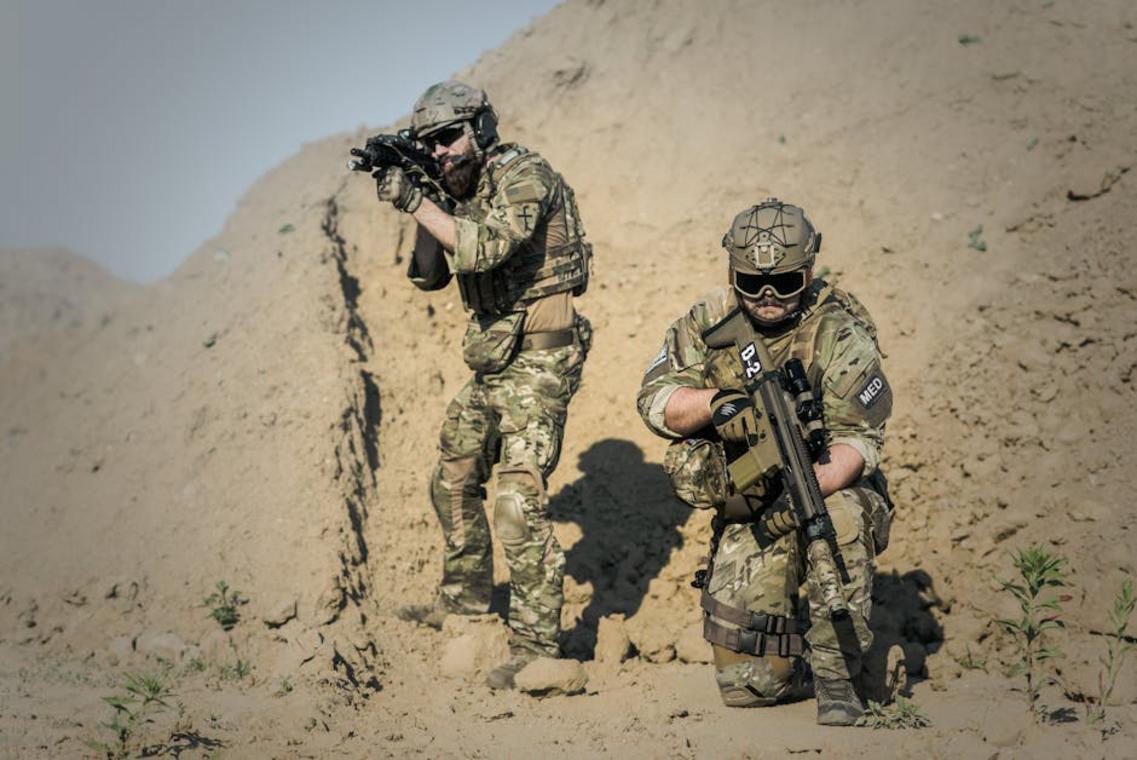
Territory defense starts before the first shot. In competitive PvP ecosystems, perception shapes behavior. If rivals see efficient clearing rotations, fast respawn control, and tight loot discipline, they assume you’re organized—and ORGANIZED GROUPS are rarely challenged casually. This is a form of “deterrence signaling,” a concept borrowed from military strategy where visible strength prevents conflict before it begins (Schelling, Arms and Influence).
Practical applications include:
- Clearing mobs on predictable timers
- Holding visible high ground during peak hours
- Leaving no valuable nodes half-farmed
These hunt map control tactics quietly communicate ownership.
Some players argue subtle signaling is pointless—“If they want the spot, they’ll push anyway.” True, but data across competitive MMOs shows opportunistic aggression drops when defenders look coordinated (Newzoo, 2024 esports behavior report). Most players prefer easy wins.
Using Terrain as a Weapon
High ground increases line-of-sight and reaction time. Natural funnels—bridges, caves, narrow jungle paths—reduce flanking angles. Line-of-sight blockers let ranged builds reset cooldowns safely. Think of it like playing tower defense, except the towers shoot back (and complain in voice chat).
The Economics of Conflict
Every fight has an opportunity cost—the value of the next-best alternative you give up (Investopedia). Ask:
- How much time will this skirmish drain?
- What’s the respawn and repair cost?
- Is another zone yielding 80% efficiency with 0% friction?
Pro tip: If a fight exceeds two rotation cycles without decisive advantage, relocate.
Information Warfare
Scout alts, guild pings, and movement tracking tools create predictive defense. Early warning turns reactive defense into pre-positioned dominance. The best defenders don’t just hold territory—they see the challenge coming.
From random sprints to disciplined dominance, the shift from hunter to landlord starts with control. When you roam without a plan, you rely on luck, which means inconsistent drops, surprise ambushes, and mounting frustration. A structured territory system flips that script. Instead of chasing spawns, you own predictable routes through smart scouting, timed rotation, and active defense.
Begin by mapping high-value nodes and tracking respawn timers. Rotate before pressure builds, not after you are forced out. Then layer hunt map control tactics to deny rivals vision and choke access points.
Use this quick checklist:
- Scout during off-peak hours.
- Log competitor patterns for a week.
- Adjust loadouts to counter common threats.
Test different rotations on your favorite ground and review the results. Mastery comes when these systems become habit, turning every run into a calculated, high-yield claim. Consistency compounds gains and keeps frustration low over time. That’s real control. Earn it.
Master Your Next Hunt
You came here to sharpen your edge—understanding raid mechanics, optimizing your gear, and tightening your strategy so you stop losing fights you should be winning. Now you have a clearer blueprint for executing cleaner rotations, adapting to enemy pressure, and applying hunt map control tactics that turn chaos into calculated dominance.
The difference between stalled progression and consistent clears isn’t talent—it’s precision. Missed positioning, poor coordination, and inefficient builds are the pain points holding most hunters back. When you refine your mechanics and control the map instead of reacting to it, every encounter shifts in your favor.
Now it’s time to act. Review your current loadout, tighten your rotation plan, and apply these strategies in your next run. Study the patterns, control the tempo, and commit to smarter engagements.
Thousands of competitive players rely on our breakdowns because we focus on results—not theory. If you’re serious about climbing faster and clearing harder content, dive into the latest strategy updates and start implementing them today. Your next dominant hunt starts with the moves you make right now.