If you’re here, you’re looking for more than surface-level gaming news—you want clarity. Whether it’s mastering new raid mechanics, refining your hunt strategy, or squeezing every ounce of value from your gear setup, staying ahead of the curve requires more than patch-note summaries and recycled tips.
This article delivers exactly that. We break down the latest gameplay shifts, explain inner core raid mechanics in practical terms, and provide lifted fundamentals you can apply immediately. Our competitive meta analysis cuts through speculation, highlighting what’s actually winning in high-level play and why.
To ensure accuracy, we analyze current patch data, review top-tier gameplay trends, and cross-reference strategies used by leading competitive players. The goal is simple: give you reliable, actionable insights that improve performance—not just theory.
By the end, you’ll understand what’s changed, what matters, and how to adapt your build, tactics, and team coordination to stay one step ahead.
Hype vs. Revenue: What Actually Wins
Gamers often chase what is trending on Twitch, assuming view counts equal long term success. That assumption is risky. Streaming popularity reflects spectacle; revenue reflects retention and spending. Watching and paying are different behaviors. If you are building or investing, prioritize engagement metrics like daily active users and lifetime value. Use competitive meta analysis to compare genre saturation before committing resources. Pro tip: follow the money, not the memes.
| Signal | What It Shows | What To Do |
| Stream views | Short term buzz | Test concepts, avoid overbuilding |
| Player spend | Durable demand | Scale and optimize |
Choose wisely.
The Streaming Effect: Viewership vs. Active Player Base
The prevailing trend is easy to spot: fast-paced, high-skill games dominate Twitch charts. Titles with steep skill ceilings (the upper limit of player mastery) generate highlight clips, clutch moments, and endless reaction content. It creates the impression they’re the most-played games on Earth.
But that perception doesn’t always match reality.
When you compare Twitch hours watched with Monthly Active Users (MAU)—the number of unique players engaging with a game each month—and concurrent player data from sources like SteamDB and publisher earnings reports (Valve, 2024; various investor filings), the gap becomes obvious. Some games pull massive viewership yet show volatile player retention. Others maintain steady, even growing, player bases while barely cracking streaming leaderboards.
Why? Watchability and playability aren’t the same thing (fun to watch isn’t always fun to grind at 2 a.m.). A battle royale with explosive finales thrives on spectacle. Meanwhile, a methodical co-op RPG with layered progression systems may retain millions quietly. Think of it like esports versus your favorite comfort show—one trends on social, the other keeps subscribers paying.
This is where inner core mechanics matter: the foundational gameplay loops and community systems that sustain long-term engagement. Our competitive meta analysis shows that titles with strong guild structures, meaningful progression, and balanced endgame content retain players longer than games optimized purely for highlight reels.
Speculation: as monetization scrutiny increases (see FTC digital goods guidance, 2023), developers may pivot toward deeper retention systems over flashy stream bait.
Actionable insight: evaluate retention metrics, patch cadence, and community depth—not just Twitch charts. The next enduring giant may be hiding in plain sight.
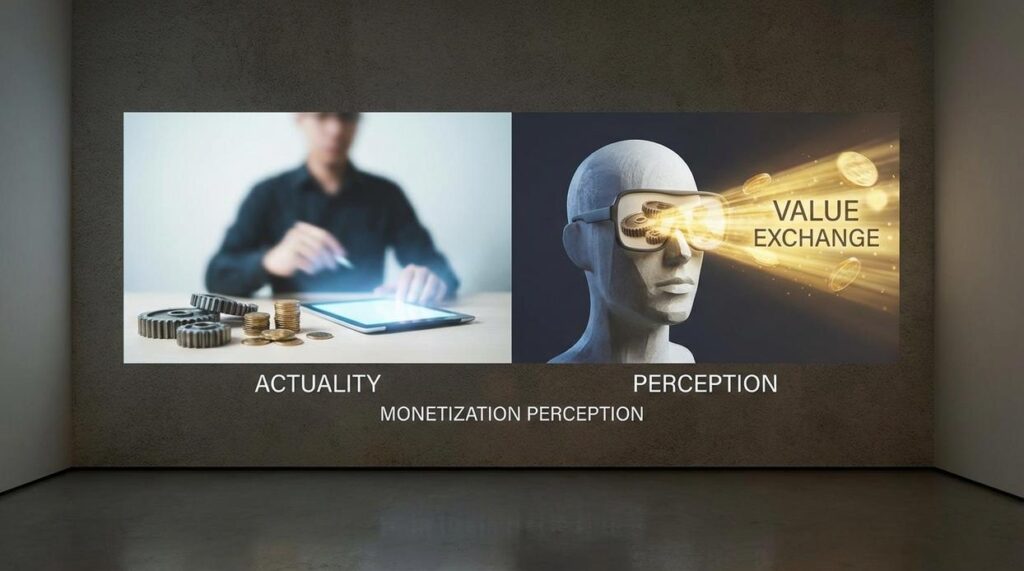
Monetization Models: Public Perception vs. Revenue Data

The prevailing narrative says modern games survive on predatory systems—loot boxes, pay-to-win boosts, and battle passes engineered to exhaust your wallet. Scroll any forum and you’d think aggressive monetization is the industry’s primary revenue engine (cue dramatic villain music).
However, quarterly earnings reports tell a more nuanced story.
A vs. B: Controversial Monetization vs. Cosmetic-Driven Models
A: Pay-to-Win & Loot Boxes
High spend per user, lower trust, short lifecycle spikes. These systems monetize power—meaning players pay for competitive advantage. Critics argue they drive revenue because “whales” (a small percentage of big spenders) fund the ecosystem.
B: Cosmetics & Quality-of-Life (QoL) Items
Low cost, high volume, broad participation. Cosmetics are visual upgrades with no gameplay impact; QoL items reduce friction without bypassing skill. According to publisher filings from companies like Activision Blizzard and Electronic Arts, live-service revenue increasingly comes from cosmetic microtransactions rather than direct power sales (source: annual investor reports, 2023–2024).
In other words, while outrage dominates discourse, scalable revenue often comes from optional enhancements that preserve competitive integrity.
To clarify, this doesn’t mean exploitative systems vanished. Some argue battle passes remain manipulative due to time pressure. Fair point. Yet competitive meta analysis shows player retention improves when monetization aligns with skill expression rather than replacing it.
The takeaway is practical: sustainable models lift gameplay instead of bypassing it. Players consistently reward systems that respect mastery, much like in high level decision making in clutch moments.
Pro tip: if a monetization system enhances identity or convenience without selling power, it’s usually built for longevity—not backlash.
Genre Popularity: Social Buzz vs. Development Investment
I remember the week extraction shooters “took over” my feed. Every Discord I’m in swore it was the future of gaming. Streamers jumped in, Reddit threads exploded, and suddenly every pitch deck echoed the same phrase. (We’ve all seen this movie before.)
Here’s the prevailing trend: a new sub-genre spikes in visibility and social metrics, creating the illusion of inevitability. But social buzz isn’t the same as capital allocation.
When you look at industry data—studio acquisitions, hiring waves, and earnings calls—major publishers still anchor billions into MMORPGs and Action RPGs. Why? Retention. Lifetime value. Proven content cadence. According to Newzoo’s 2024 report, live-service and RPG ecosystems consistently dominate engagement hours and revenue share. Investment follows durable loops, not viral clips.
Indies often chase momentum. Big studios hedge risk.
- Emerging studios prototype trends.
- AAA publishers double down on scalable progression systems.
Some argue that ignoring hype means missing the next battle royale moment. Fair. But even breakout hits succeed by embedding familiar hunt strategy and gear optimization loops inside fresh wrappers. That’s not trend-chasing—that’s structural design.
My actionable takeaway after years of competitive meta analysis? Study what retains players for 500 hours, not what trends for five weeks. Innovation sticks best when it’s built on systems that already work.
We’ve established that viewership doesn’t equal players, outrage doesn’t reflect revenue, and social buzz doesn’t dictate major investment. The real risk is mistaking noise for signal. When studios or players chase surface-level trends, they burn time, money, and trust.
The smarter path is simple: cross-reference trends with data. That means tracking player engagement metrics (daily active users, session length, retention curves), revenue per user, and long-term development roadmaps. A spike in streams might look impressive, but if retention drops after week two, the foundation is weak. Likewise, a quieter title with steady 30-, 60-, and 90-day retention often signals durable design.
Use competitive meta analysis to compare:
- Core gameplay loops and progression depth
- Monetization fairness and average revenue per user
- Patch cadence and roadmap transparency
For players, this approach uncovers games with deep, rewarding systems and stable communities (the kind that last longer than the latest viral clip). For developers, it reinforces proven fundamentals: responsive controls, meaningful progression, and consistent content updates. Hype fades. Data compounds. Focus on what sustains engagement, and both sides win.
Measure what matters, ignore vanity metrics, and build experiences designed to endure beyond launch week excitement. For sustainable, long-term market leadership today.
Take Control of Your Next Hunt
You came here to sharpen your edge, understand the mechanics, and stop falling behind when the pressure spikes. Now you have the breakdowns, the raid insights, and the optimization strategies needed to move with confidence instead of hesitation.
The gap between average players and top performers isn’t talent — it’s clarity. When mechanics overwhelm you or gear choices feel confusing, progress stalls. Mastering fundamentals, refining your loadout, and leveraging competitive meta analysis ensures you’re not just reacting to the game — you’re dictating the pace.
Now it’s time to act. Apply these strategies in your next hunt. Rework your build. Study the patterns. Execute with intent.
If you’re serious about climbing faster, optimizing smarter, and dominating every encounter, dive deeper into our advanced breakdowns and updated strategy drops. Thousands of driven players rely on our insights to stay ahead — don’t queue up unprepared. Level up your hunt today.