
If you’re searching for smarter ways to dominate your next hunt, you’re in the right place. Whether you’re trying to master inner core raid mechanics, refine your build, or finally settle the debate around stealth vs aggression gameplay, this article breaks down exactly what works—and why.
Modern hunt environments evolve fast. New patches shift balance, raid mechanics punish outdated strategies, and gear optimization can mean the difference between a clean clear and a total wipe. Many players struggle not because they lack skill, but because they lack clear, up-to-date strategic insight.
Here, you’ll find a focused breakdown of emerging gameplay trends, lifted fundamentals that consistently outperform the meta, and practical adjustments you can apply immediately. Every insight is grounded in deep analysis of current raid structures, high-level hunt patterns, and proven optimization methods used by top-tier players.
If your goal is cleaner runs, smarter builds, and consistent wins, this guide will give you the strategic edge you’ve been looking for.
The battlefield offers two promises: patience or power. At its core, stealth vs aggression gameplay forces a choice between subtle control and explosive dominance. “Stop rushing,” one raid leader snaps, “information wins fights.” Another fires back, “Pressure creates mistakes—push now!”
The Shadow
- Values positioning, timing, and silence.
- Trades speed for certainty.
- Turns enemy confidence into vulnerability.
The Fury
- Prioritizes momentum and shock.
- Converts hesitation into collapse.
- Demands mechanical precision under stress.
Some argue aggression overwhelms any defense. Others insist patience outscales chaos. The truth? Mastery means reading tempo, pivoting before opponents realize the shift.
The Way of the Ghost: Mastering Stealth Tactics
Stealth isn’t about hiding in a corner—it’s about controlling the entire battlefield without being seen. At its core, ghost play revolves around four mechanics: sound discipline (managing footsteps, reload noise, and surface types), line-of-sight management (staying outside enemy vision cones), environmental manipulation (extinguishing lights, triggering distractions), and takedown prioritization (eliminating high-value targets first).
Core Systems That Matter
Before any engagement, information gathering is non-negotiable. Scout patrol routes. Tag enemies. Identify alarm systems. Think of it like a heist film montage—planning is the real action scene.
Key Features & Benefits:
- Silenced weapons: Remove threats without alerting nearby enemies, conserving ammo and health kits.
- Cloaking devices: Offer brief repositioning windows when routes collapse.
- Enemy-tracking tools: Reveal movement patterns, reducing guesswork.
- Crouch-speed and detection-reduction perks: Maintain mobility while staying invisible.
Compared to stealth vs aggression gameplay, the ghost path trades speed for certainty. You dictate when fights begin—or if they happen at all.
Pros:
- Total control of engagement timing
- Reduced resource consumption
- Ability to neutralize high-value targets first
- Psychological pressure on opponents
Cons:
- Slower pacing
- High punishment for errors
- Reliance on specialized gear
- Weakness to area-denial tools
Ideal scenarios include multi-objective missions, vertically layered maps, or encounters against overwhelming firepower. Pro tip: always secure an exit route before your first takedown (because nothing breaks immersion like panic-sprinting into a spotlight). Master the ghost, and the battlefield becomes choreography instead of chaos.
The Path of the Berserker: Dominating with Aggression
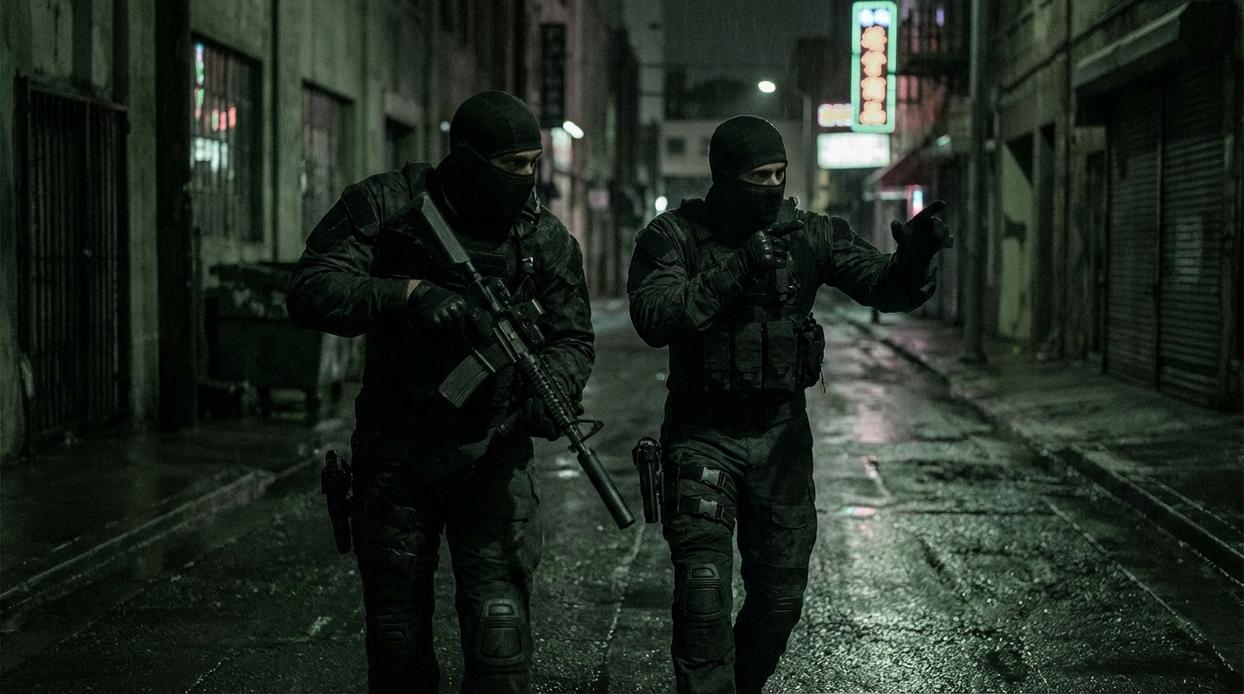
The Berserker playstyle is built on one principle: overwhelm before you’re overwhelmed. Instead of holding angles and waiting, you seize space through flanking (attacking from the side or rear), explosive entry, and relentless forward momentum. Think less chess match, more battering ram.
At its core, this approach relies on:
- Target saturation (hitting multiple enemies at once to overload their defenses)
- Aggressive repositioning to deny recovery time
- Crowd control tools that disrupt entrenched setups
Compared side-by-side with stealth vs aggression gameplay, the difference is stark. Stealth prioritizes patience and information control; aggression prioritizes tempo and psychological pressure. One bleeds the clock. The other breaks it.
Pros:
- Dictates combat flow and forces reactive mistakes
- Devastating against bunker-style teams
- Ideal for time-sensitive objectives
Cons:
- High ammo and explosive consumption
- Constant exposure to crossfire
- Easily punished if baited into chokepoints
Gear synergy matters. High-damage automatic weapons, blast-heavy grenades, and damage-resistance armor create momentum loops—push, crack, collapse. Abilities that grant temporary invulnerability or accelerated health regeneration let you survive that critical extra second (and sometimes that second wins the entire engagement).
In confined spaces, aggression outperforms passive holds. In open terrain without numbers advantage? It’s riskier. That’s where understanding map control tactics for large scale hunt missions becomes essential: https://innerlifthunt.com/map-control-tactics-for-large-scale-hunt-missions/
Pro tip: initiate with explosives not for kills—but for displacement. Movement creates mistakes. And mistakes win fights.
The Hybrid Hunter: Situational Awareness and Tactical Flexibility
Reading the Game State means scanning enemy sightlines across Midtown choke points, tracking objective timers down to the last five seconds, and auditing cooldowns like smokes or grapples. In scrim lobbies, that awareness separates casual flanks from calculated wins. This is where the tactical pivot comes in—a deliberate shift in approach when the map, respawn waves, or ult economy tilts. Rather than forcing a push, you rotate, reset angles, and exploit a thinner defense (yes, patience wins more rounds than bravado).
Next, consider the Stealth Opener. Instead of storming the payload, you ghost through service corridors, ping enemy rotations, and quietly remove a backline sniper. With vision control established, you transition into stealth vs aggression gameplay, collapsing on the objective before comms can stabilize. It’s the ranked equivalent of flipping the high ground switch in your favor.
On the other hand, the Aggressive Feint thrives on misdirection. Apply heavy pressure on the east flank—utility spam, loud footsteps, visible drones—then, as defenders over-rotate, a teammate slips through maintenance tunnels for a clean capture. Timing matters; staggered spawns make this devastating.
Gear for flexibility should include:
- A silenced primary for controlled picks
- A high-damage sidearm for close-quarters scrambles
- One explosive option for shield breaks or denial
Finally, the Adaptation Mindset ties it together. When a push collapses, disengage, reposition, and reassess spawn timers and sightlines. Pros reset fights constantly (and they’re not apologizing for it). Discipline, not ego, defines the true hybrid hunter.
Internalizing Your Core Gameplay Loop for Consistent Wins
The “best” tactic isn’t a fixed choice—it’s the right response to the moment. Think of your strategy as a dial, not a switch. In stealth vs aggression gameplay, each style solves a different problem.
Side-by-Side Comparison:
- Stealth: Controls information, limits exposure, punishes overextension. Best when enemies rely on predictable patrols or cooldown-heavy bursts.
- Aggression: Controls tempo, forces mistakes, capitalizes on hesitation. Best when opponents turtle or struggle under pressure.
In chess, you wouldn’t launch an all-out attack against a solid defense without first weakening it (unless you’re speedrunning chaos). Games work the same way.
Some argue you should “main” one style for consistency. That’s fair—specialization builds depth. But rigidity gets countered fast. Adaptability wins long-term (ask any Dark Souls veteran).
Actionable Next Step: Start your next session committed to one approach. At the first clear counter, pause. Switch. Compare outcomes.
Pro tip: Review the exact moment momentum shifted—wins often hinge on tiny timing errors.
Mastery isn’t picking a side. It’s knowing when to pivot.
You came here to sharpen your edge and understand how to win more hunts with smarter decisions. Now you’ve seen how positioning, timing, gear optimization, and reading raid mechanics all work together to elevate your performance.
The difference between average players and elite hunters often comes down to mastering stealth vs aggression gameplay. Push too hard and you wipe. Play too passively and you lose momentum. That tension is where most players struggle—and where the biggest gains are made.
The recommendation is simple: apply one strategic adjustment at a time. Refine your loadout, study inner core raid mechanics, and actively review your last hunt before jumping into the next. Consistent micro-improvements compound into dominant runs.
Before you dive into the nuances of stealth vs aggression in hunting strategies, be sure to check out our detailed guide in the ‘Instructions Pdf Hssgamestick‘ to enhance your hunting experience.
Take Control of Your Next Hunt
If you’re tired of inconsistent clears, wasted gear, and missed opportunities, it’s time to level up your approach. Get the latest hunt breakdowns, pro gear optimization tips, and real-time strategy updates trusted by serious players. Don’t guess your way through another raid—start implementing proven tactics today and turn every hunt into a calculated win.